Horror on television has never been just about jump scares. Over time, it has evolved into something more psychological, emotional, and often deeply personal. What once leaned heavily on monsters and shock value has transformed into storytelling that stays with viewers long after the credits roll.
Across different eras of television, a handful of shows didn’t just entertain audiences. They reshaped what horror on TV could be, influencing how stories are written, filmed, and experienced today.
Here are five horror series that completely changed how we think about fear on television.
The Twilight Zone Turned Fear Into a Moral Mirror
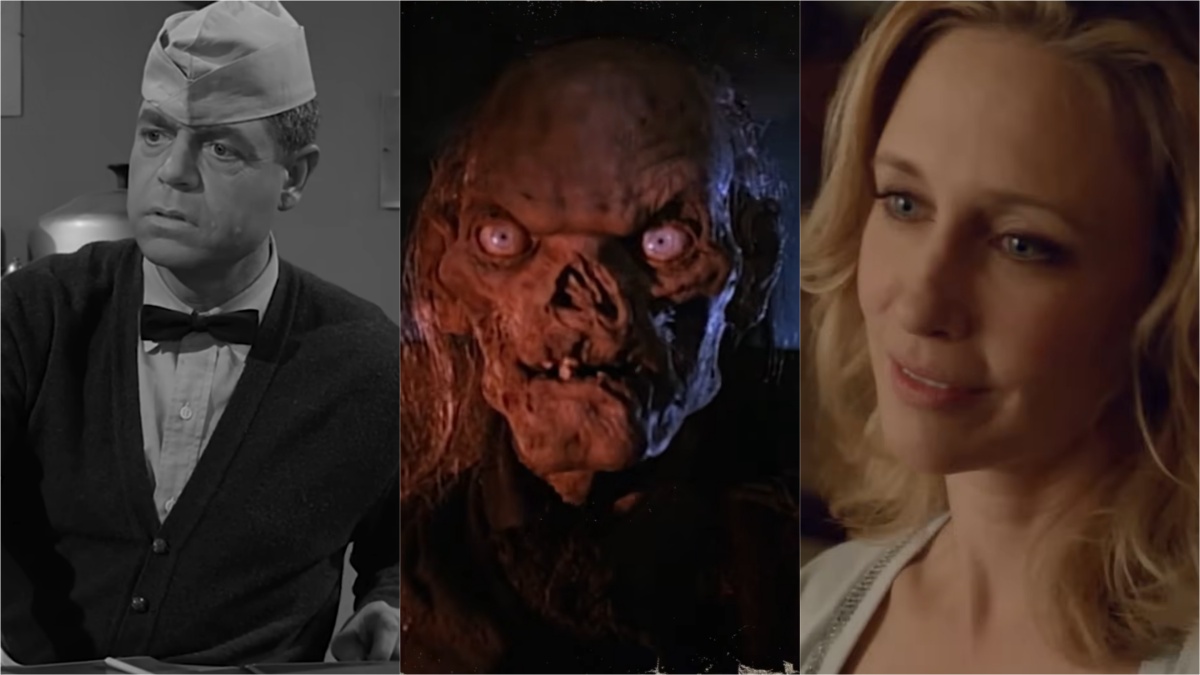
When The Twilight Zone premiered in 1959, it introduced a completely new way to tell horror stories. Instead of relying on gore or traditional monsters, it focused on psychological tension, moral consequences, and unsettling twists that often reflected real-world anxieties.
Each episode stood alone, ending with a twist that forced viewers to reconsider everything they had just watched. That structure became a blueprint for countless anthology series that followed.
Critics have long pointed to the show’s lasting cultural impact, with outlets like PBS describing it as one of television’s most influential series in shaping speculative storytelling and social commentary in entertainment.
Even decades later, its influence is visible in modern horror and sci-fi storytelling that blends psychological tension with social critique. The Twilight Zone was definitely ahead of its time and continues to be the standard in horror anthologies.
Tales From the Crypt Made Horror Fun, Brutal, and Unpredictable
Tales From the Crypt took a very different approach when it arrived on HBO in the late 1980s. Instead of moral restraint or subtle tension, it leaned into shock value, dark humor, and graphic storytelling.
Each episode delivered a self-contained horror story, often centered on flawed characters whose choices led to brutal or ironic endings. The Crypt Keeper quickly became an iconic horror host, guiding viewers through tales that were as entertaining as they were disturbing.
The series helped prove that horror television didn’t need to soften its edges to find an audience. It could be bold, theatrical, and unapologetically violent while still delivering compelling storytelling. In addition, the cameos by huge stars are worth a rewatch alone, per Rotten Tomatoes.
American Horror Story Brought Anthology Horror Back Into the Spotlight
When American Horror Story debuted in 2011, it revived anthology horror for a modern audience in a way few shows had done before. Each season told a new, self-contained story, while keeping the same core cast in different roles.
The series leaned heavily into stylized visuals, atmospheric tension, and psychological horror themes, covering everything from haunted houses to cults and witchcraft.
FX has credited the show with becoming one of its most successful scripted franchises, helping to redefine horror for the streaming and prestige television era.
Its influence can be seen in how modern horror series now embrace seasonal storytelling, high production value, and recurring ensemble casts. It also spawned a FX spin-off titled American Horror Stories, which were one-and-done episodes.
The Haunting of Hill House Proved Horror Could Be Emotionally Devastating
The Haunting of Hill House marked a major shift in modern horror storytelling when it debuted on Netflix in 2018. Rather than focusing solely on scares, it built its horror around grief, trauma, and family relationships.
While supernatural elements drive the story, much of the emotional weight comes from how each character processes loss in different ways. The result is a series that blends traditional horror with deeply human storytelling.
The show received widespread critical acclaim, holding a high approval rating on Rotten Tomatoes and being praised for proving that horror can be both emotionally grounded and genuinely terrifying.
For many viewers, it became a defining example of how modern horror can be as heartbreaking as it is frightening.
Bates Motel Turned a Classic Horror Story Into a Psychological Slow Burn
Bates Motel reimagined the origins of Norman Bates from Alfred Hitchcock’s Psycho, transforming it into a long-form psychological drama.
Instead of simply retelling a known story, the series explored Norman’s mental decline and his complicated relationship with his mother over multiple seasons.
The show, set in Oregon, was widely praised for its performances and character development, with critics highlighting its ability to balance suspense with emotional complexity.
By the time it ended in 2017 (via IMDb), Bates Motel had redefined how prequels and psychological horror stories could be structured for television.
Why These Horror Shows Still Resonate with Fans
What connects these five series is not just their popularity, but the way each one expanded what horror television could do.
From The Twilight Zone’s philosophical storytelling to Hill House’s emotional depth, each show helped shift the genre forward in a different direction.
Today’s horror landscape, from streaming anthologies to prestige psychological dramas, still carries the influence of these series in its structure, tone, and ambition.
As horror continues to evolve, these shows remain reference points for how fear can be told in smarter, deeper, and more emotionally resonant ways.
Which of These Horror Shows Still Haunts You the Most?
Horror is one of the few genres that stays personal. What terrifies one viewer might feel completely different to another, which is part of why these shows continue to spark debate and nostalgia years later.
Which of these series left the biggest impact on you?


Josh is a tech-savvy music lover who often uses his free time for gaming and playing guitar. He loves discovering new bands, watching the latest movies, and checking out the newest video game releases. He also has a degree in Computer Science.