HBO’s House of the Dragon Season 3 is right around the corner, and anticipation is already reaching the kind of fever pitch usually reserved for finales, not new beginnings. As the return of the Targaryen civil war looms, audiences are once again preparing to pick sides, reanalyze betrayals, and revisit the characters who turned medieval fantasy politics into appointment television.
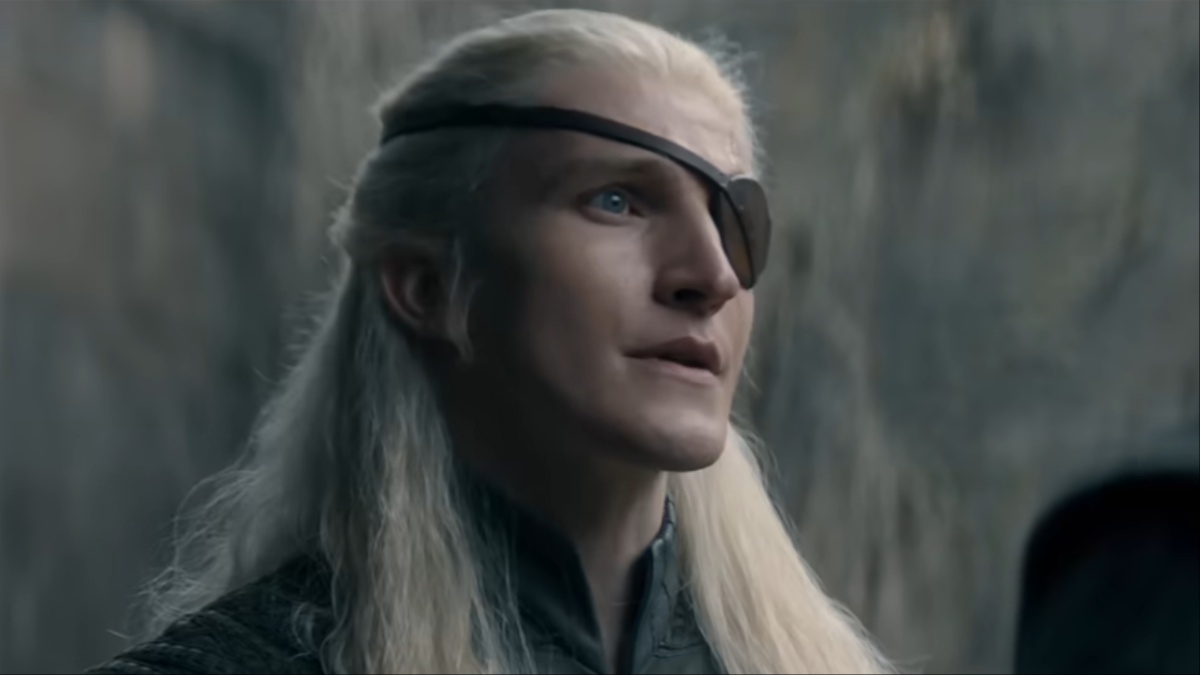
But amid the returning dragons, rival claimants, and fractured loyalties, one figure has taken over online conversation in a way that feels almost inevitable: Aemond Targaryen.
Often referred to by fans as the “one-eyed prince,” Aemond’s transformation from overlooked child to one of the most feared riders in Westeros has positioned him as something more complicated than a traditional villain. He is not just an antagonist in the war for the Iron Throne. He is a character viewers actively study, reinterpret, and, increasingly, defend.
From Outsider to Apex Warrior
Across the first two seasons of HBO’s House of the Dragon, audiences watched Aemond evolve from a quiet, socially isolated boy into a hardened warrior bonded to Vhagar, the largest living dragon in the Targaryen dynasty.
That shift is not just narrative progression; it is psychological framing. Aemond’s identity is built on early humiliation and long-term overcorrection. Losing his eye in childhood becomes the defining fracture that reshapes his entire worldview, pushing him into relentless self-discipline and, eventually, strategic brutality.
What makes him compelling is not simply his power, but the way he uses it. Aemond rarely acts out of impulse. Instead, he reads as calculated, controlled, and constantly aware of hierarchy, both within his family and the collapsing political system around him.
In modern television terms, he sits in a familiar but potent category: the polished antagonist who is difficult to fully condemn, even when his actions are undeniably violent.
Why the Internet Is Obsessed With Him
If earlier prestige dramas taught audiences to fear villains, the current streaming era has taught them to analyze them.
On platforms like TikTok, Aemond has already been transformed into a digital phenomenon. Fan edits frame him as everything from a tragic product of family trauma to a cold, calculating power player. In many cases, the same scene will circulate with entirely different emotional interpretations depending on the soundtrack, captions, or editing style.
That flexibility is part of the appeal. Aemond is not locked into a single moral reading, which makes him ideal material for algorithm-driven fandom culture. Instead of resolving his complexity, the internet amplifies it.
This reflects a broader shift in how audiences engage with television characters. Viewers are no longer just consuming narratives; they are actively participating in reshaping them through discourse, edits, and debate. Aemond thrives in that environment because ambiguity is his strongest narrative feature.
The Familiar Blueprint: Daemon, Jaime, and the “Controlled Chaos” Archetype
Part of what fuels the fascination is how easily Aemond slots into a lineage of similarly complex characters.
He is frequently compared to Daemon Targaryen, his more impulsive and charismatic counterpart within the same series. Where Daemon is theatrical and emotionally volatile, Aemond is restrained and surgical in his decision-making, a contrast that makes their dynamic especially compelling within the show’s broader political chaos.
There is also the inevitable comparison to Jaime Lannister from Game of Thrones, one of television’s most famous examples of a character whose early villainy gradually evolved into moral ambiguity. Jaime’s arc helped define a generation of prestige TV writing, where audience sympathy could shift over time based on context rather than simple redemption.
Aemond, however, may be accelerating that same trajectory. Instead of a slow moral reassessment across multiple seasons, viewers are already engaging with him as a fully formed “gray zone” character.
Why Morally Gray Characters Dominate Modern Fandom
Aemond’s rise is not happening in isolation. It reflects a broader cultural preference that has reshaped entertainment discourse over the last decade.
Clean heroes tend to generate admiration, but morally complex characters generate conversation. They create disagreement, reinterpretation, and emotional investment that extends far beyond the episode runtime.
In psychological terms, ambiguity invites projection. When a character is not fully defined as good or evil, audiences fill in the gaps with their own frameworks, trauma narratives, political readings, or ethical defenses. That process makes the character feel more personal, even when they are fictional.
Social media accelerates that effect. A single clip can become dozens of competing interpretations, each presented with confidence. In that environment, characters like Aemond are not just story elements; they become cultural debate points.
A Season Built for a Character Like Him
As House of the Dragon Season 3 approaches, expectations are not just focused on battles, dragons, or succession politics. They are also centered on which characters will define the online conversation.
Aemond is already positioned at the center of that anticipation. He is ruthless enough to drive conflict, intelligent enough to shape strategy, and visually iconic enough to dominate fan culture.
And in a franchise built on the idea that power is always temporary, one truth remains consistent: characters who control the narrative, both inside the story and outside it, tend to leave the biggest mark.
Whether he “steals” House of the Dragon Season 3 remains to be seen. But in the current media landscape, he has already done something just as significant: he has become the character audiences cannot stop rewatching, re-editing, and reinterpreting.


Trevor is a lover of nerd culture, sports, video games, and viral internet culture. Whether he’s talking Star Wars, NBA trade rumors, or Game of Thrones, he’s ready to insert his opinion into any topic. He’s previously written for publications like Fansided and Hollywood News Daily.