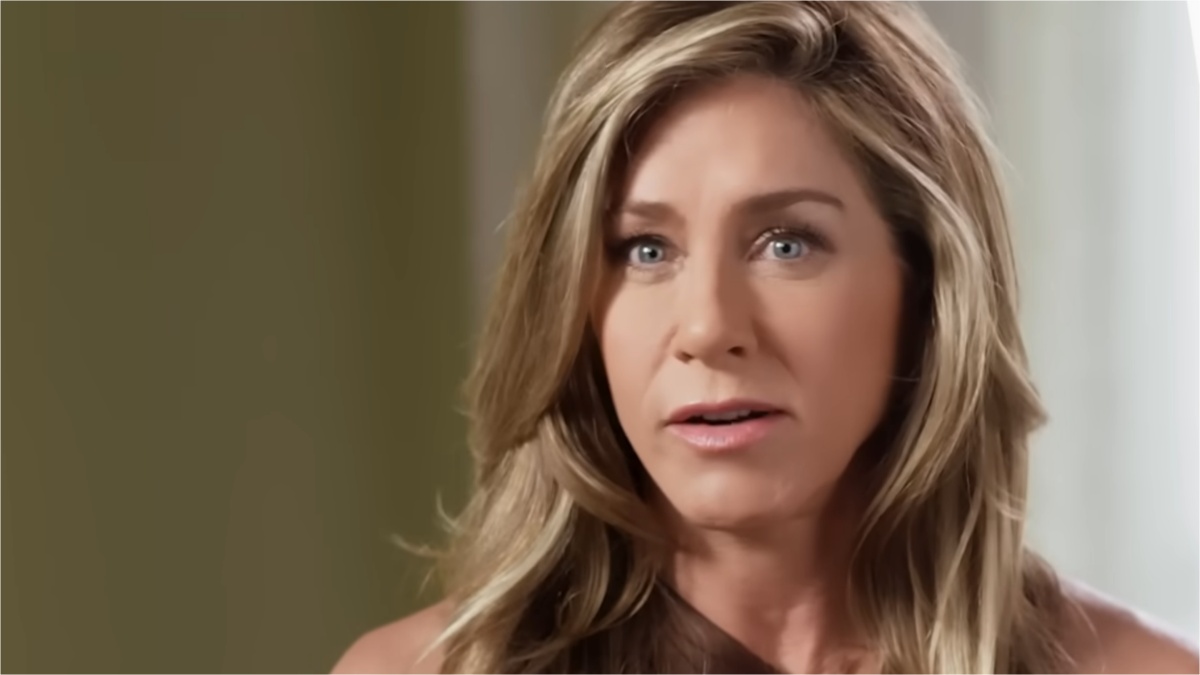
For years, a persistent Hollywood myth has circulated that Jennifer Aniston was “nearly fired” from Friends before the show became a cultural phenomenon. It is a compelling idea, but the reality behind it is far more grounded in how television was actually made in the 1990s.
Rather than a dramatic near-exit or performance issue, the early uncertainty around Aniston’s role as Rachel Green came from something much more routine in network television: overlapping pilot commitments, contract timing, and a series still being shaped during its earliest development phase. As outlined in retrospective casting and development reporting from TheWrap, early Friends casting decisions were heavily influenced by scheduling and pilot-season logistics rather than creative dissatisfaction.
What has survived over time is less a factual account and more a simplified version of early production uncertainty turned into dramatic folklore.
The Early Days of Friends Were Still Being Shaped
When Friends premiered in 1994, it was not yet the cultural landmark it would become. Like many ensemble sitcoms of its era, the series was still evolving during its earliest episodes as NBC and the creators refined tone, pacing, and character balance.
As documented in Entertainment Weekly’s oral history of the series, the show’s identity was not fully locked in at launch. Writers and producers continued adjusting character dynamics and comedic rhythm as early audience feedback and network input came in.
Rachel Green, played by Jennifer Aniston, was part of that evolving structure. While she would eventually become one of television’s most recognizable characters, she was still being shaped within a show that was itself learning what it wanted to be.
Why Jennifer Aniston’s Role Was Ever Considered “Uncertain”
The real origin of the “nearly fired” narrative comes from casting logistics, not creative concern.
At the time, Jennifer Aniston was also tied to another sitcom, Muddling Through, which created what PEOPLE describes as a common “second position” contract situation during pilot season. In simple terms, her availability depended on whether her other show continued, creating temporary uncertainty for Friends during development.
This kind of situation was extremely common in 1990s network television, where actors frequently moved between pilots, and casting stability was not always guaranteed until a series fully launched. Casting exec Lori Openden previously told Vanity Fair that the show auditioned other actors for the role of Rachel, but that “nobody else was good enough.”
At the same time, NBC was actively shaping Friends into its final ensemble form. As TheWrap notes in its casting retrospectives, pilot-season development often involves overlapping commitments and shifting availability rather than dramatic creative disputes. Nothing in the documented history suggests Aniston’s performance was ever in question.
The Chemistry That Changed Everything
Once Friends moved beyond its earliest episodes, the defining factor that stabilized the show was the chemistry between its cast.
What began as a developing ensemble quickly solidified into one of the most cohesive group dynamics in television history. Rachel Green became increasingly central to the series’ emotional structure, particularly through her evolving relationship with Ross Geller, which would go on to become one of the most iconic sitcom storylines ever written.
The cast chemistry ultimately became one of the most important creative pillars of the series and a major reason for its long-term cultural endurance, per Variety.
Once that dynamic locked in, the idea of altering the core ensemble no longer reflected the reality of how essential each character had become.
This Story Keeps Coming Back
The idea that Jennifer Aniston was “nearly fired” continues to circulate because audiences are naturally drawn to behind-the-scenes turning points that suggest how easily pop culture history could have changed.
In reality, the documented history points to early production uncertainty, overlapping contracts, and the evolving structure of ensemble sitcoms rather than any dramatic near-exit scenario.
Across industry retrospectives, a consistent picture emerges: pilot season is often a period of quiet negotiation and logistical complexity that becomes simplified in hindsight once a show becomes successful.
That gap between production reality and public memory is where stories like this take on a life of their own.
The Legacy of Rachel Green
What is not in question is the lasting cultural impact of Jennifer Aniston’s performance. As Friends continued, Rachel Green became one of the most influential television characters of her generation, shaping fashion trends, romantic comedy storytelling, and ensemble sitcom writing for decades.
Looking back, it is difficult to imagine the series without her, which is part of what makes early production uncertainty such a compelling topic for fans today. It highlights how fragile even the most successful television casts can appear before a show finds its footing.
Why Fans Have A hard Time Wrapping Their Heads Around This
Ultimately, this is not a story about a near-firing or dramatic casting crisis. It is a story about how television is actually made, especially in the early stages of a network sitcom before its identity fully solidifies.
Friends, like many iconic series, was shaped through experimentation, adjustment, and gradual creative alignment. Once the chemistry clicked, the show stabilized into what would become one of the most successful sitcoms in television history.
In hindsight, those early uncertainties feel almost invisible. But they serve as a reminder that even the most iconic television characters are not guaranteed at the start. They are built over time through timing, chemistry, and the unpredictable process of finding what works.


Amanda has two decades of experience reporting on everything from celebrities, television, sports, soap operas, spirituality, lifestyle topics, human interest, and more, Amanda is truly a jack of all trades. Amanda has written for several publications in the past, including Inquisitr, Examiner.com, Skyword, Blasting News, and more.